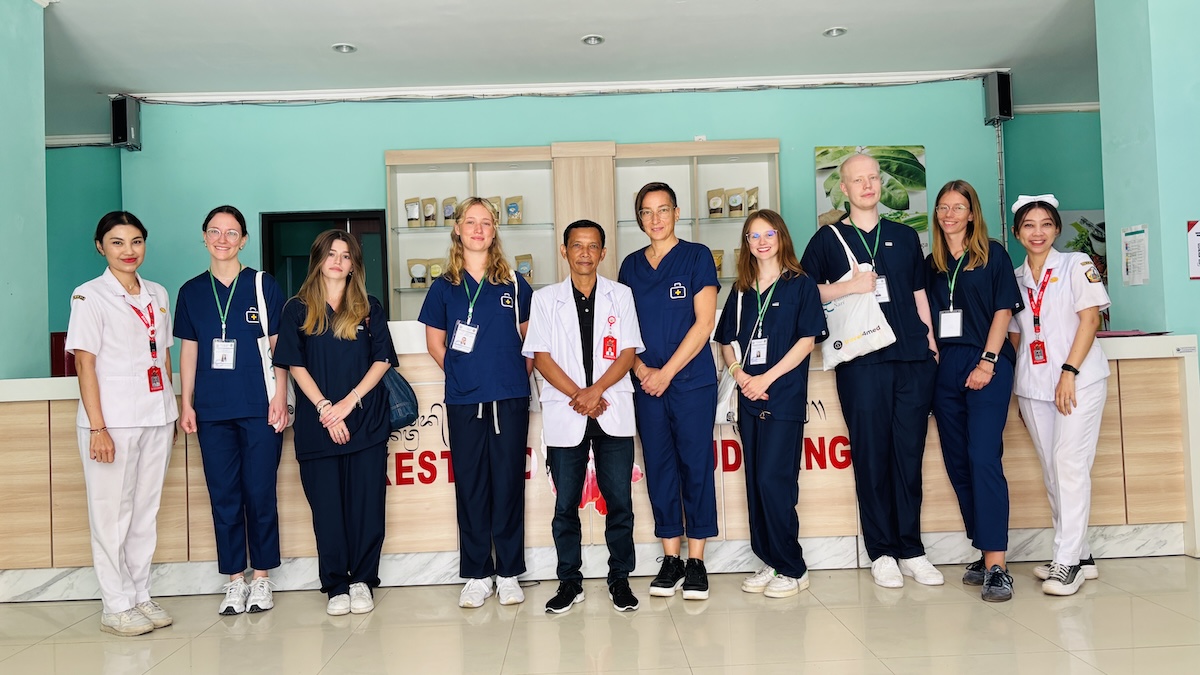
My nursing internship in Bali took place at the national hospital in Bangli. Dr. Agung, the head of the international medical student programme, also led the Traditional Medicine Department and the weekly water-purification ceremonies.
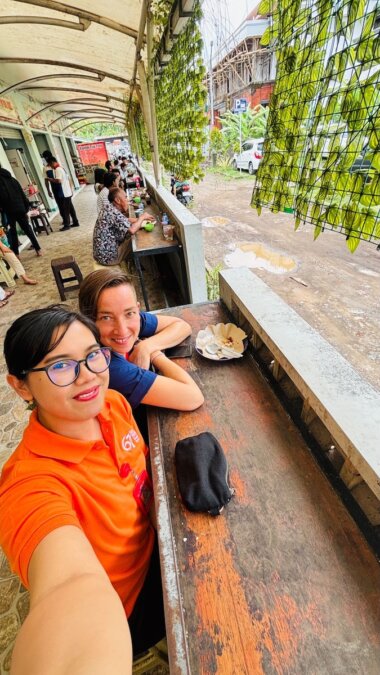
At his side was the smiling and cheerful Agung Ayu. She welcomed us to the hospital each morning and made sure we found our way to our assigned departments.
Choosing my hospital departments
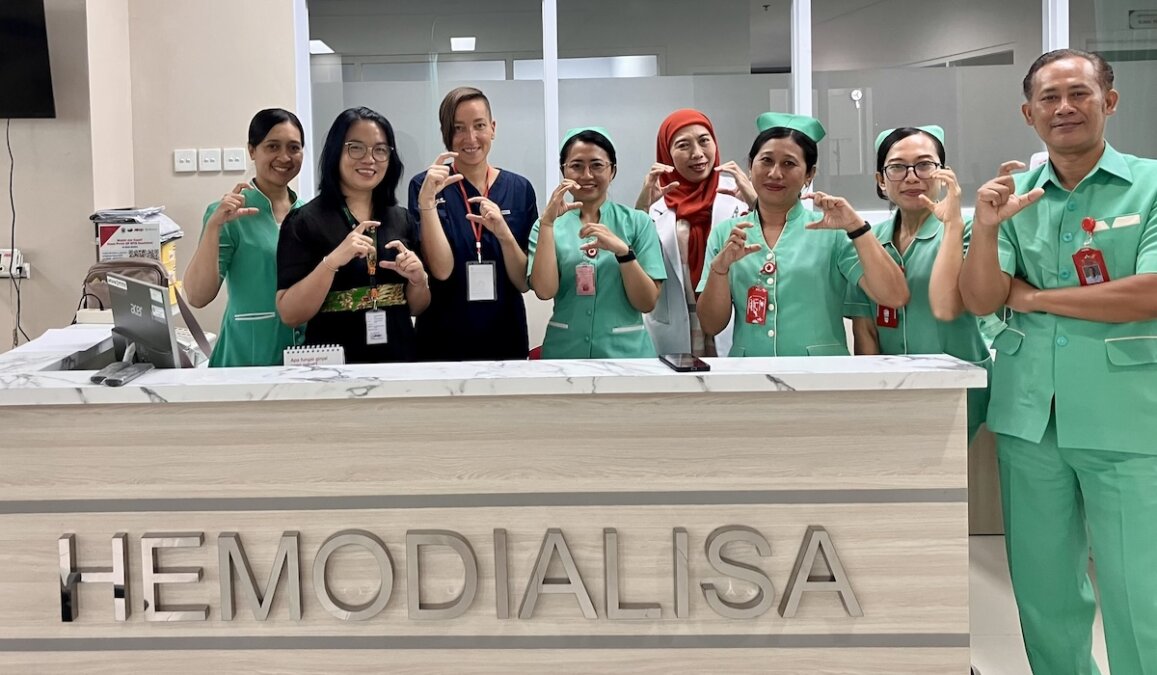
After observing surgery in Sri Lanka, I decided not to fight for a placement in the operating theatre. Instead, I chose to spend constructive time in the hemodialysis, Traditional Medicine and Pulmonology departments.
The hemodialysis team was welcoming and knowledgeable. Not many of the staff spoke English, but we eventually found a way to communicate using a mixture of Balinese and Google Translate. The working day began at 7:30 a.m., with the first patients arriving at 8:00 for the first treatment round of the day. Five nurses prepared twelve dialysis stations while chatting and laughing at my attempts to ask questions in Balinese.
Back at my home ward at Charité Universitätsmedizin, nurses had once been offered orientation rounds in the dialysis department as we treat many patients undergoing dialysis. However, as more nurses transferred there permanently, the orientation programme was discontinued. I therefore missed out on that training… I finally received it in Indonesia – and in Balinese, of all languages (laugh).
As an international student, I was not allowed to set up a dialysis station or connect a patient to the machine. However, some patients knew a few English words and waved me over to their beds to converse with me and keep them company during their treatment. We talked about my home countries, places worth visiting in Bali and which foods I should try.
Patients came for hemodialysis twice a week. They rotated between Monday to Friday appointments, with treatment sessions in the morning and afternoon. I gradually got to know some of them. Eventually, we ran into each other in the hospital restaurant and even during private excursions. I felt at home. I felt that I belonged.
Learning in the Pulmonology Department
Pulmonology was a teaching department. During morning lectures, local medical students presented common diseases through real patient cases, discussing diagnostic tests and treatment plans for each case.
On other days, consultations took place with patients from the countryside surrounding Bangli. They arrived with a variety of respiratory complaints. These consultations were followed by hospital rounds, during which we mainly saw patients being treated for chronic obstructive pulmonary disease (COPD), often related to inhalation of smoke from fires, and pneumonia. The patient rooms were enormous because relatives gathered around their seriously ill family members to keep them company during their hospital stay. Many relatives had brought clothes and food to support the entire family.
Behind the Pulmonology Department was an isolated tuberculosis ward with a separate entrance at the back of the building. There were no patients with active tuberculosis at the time, although five tuberculosis cases were being observed and followed up in Bangli. The ward was open to the outside and did not have negative-pressure rooms. Two rooms separated the patients from the rest of the hospital. Personal protective equipment mainly consisted of N95 masks, and patients were provided with a basic PPE kit.
A spiritual experience in Traditional Medicine
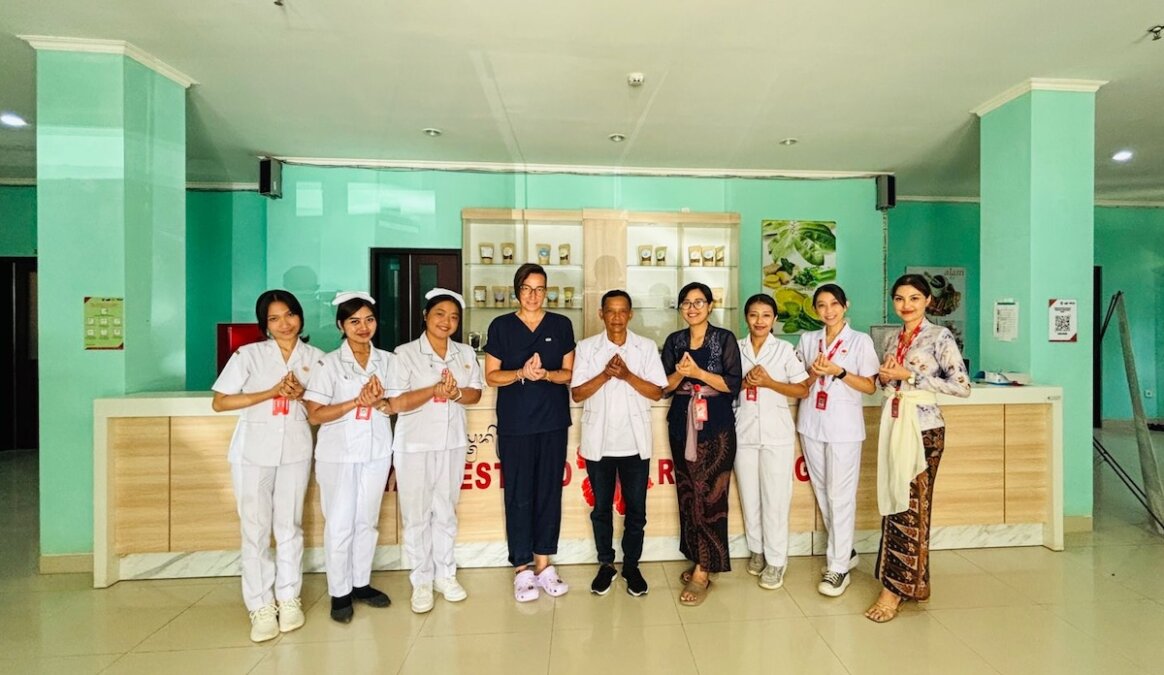
Traditional Medicine, led by Dr. Agung, was a spiritual place. One side of the department focused on acupressure and meditation, while the other offered wellness treatments.
The building was filled with the fragrance of frangipani, which was burned throughout the day as part of offerings and meditation rituals. In some areas, the sounds of the rainforest and birds singing in the trees filled the rooms. My days included meditations, such as one for opening the heart, led by Dr. Agung. He chanted, hummed and played the conch shell. The meditation was followed by an acupressure treatment or a facial wellness treatment.
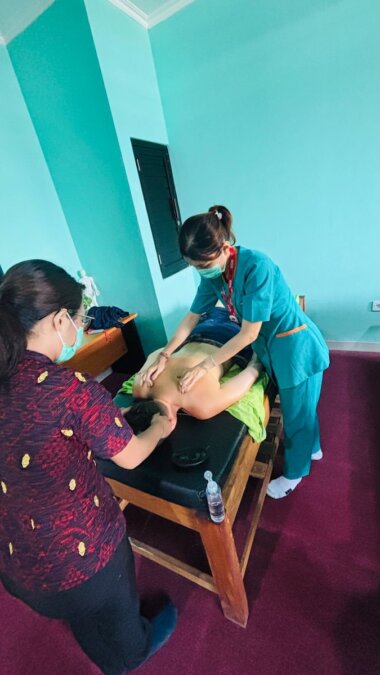
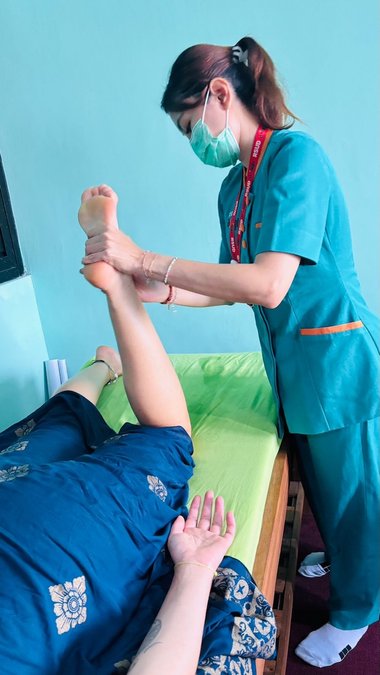
If I believed in heaven, this is what I would imagine it to be like.
I learned about the different chakras and their influence on, and connection to, our spirits and the gods. Dr. Agung enjoyed teaching me because he thought I was an atheist and considered me very receptive to his teachings and meditation rituals. Well, I had the best power naps of my life during my final week in Traditional Medicine.
I felt very good about myself. I felt calm, inside and out. And I still do.