Tag: Sri Lanka

  • It’s my last week in Sri Lanka

    It’s my last week in Sri Lanka

    Maternity clinic, Elvis, and a perfect ending

    It’s my last week in Sri Lanka and the local travel4med team has arranged visits to the maternity clinic. Maternity was on most students’ bucket list, but as cesarean births and labour can’t be scheduled, some spoiled students got really upset and did not follow through with their assignments. However, us regular students still had a great time learning and observing in a smaller, more intentional group.

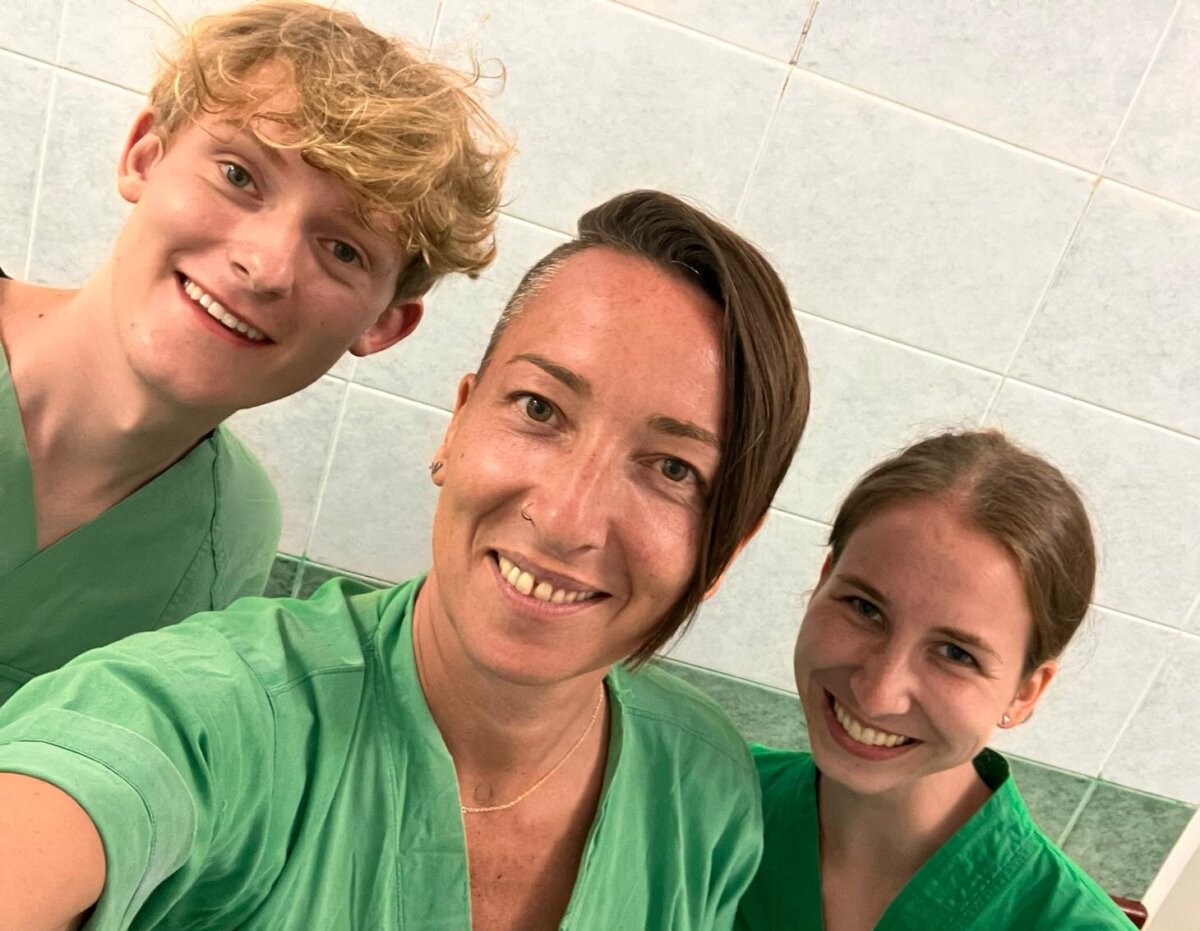
    Assigned to the gynaecology ward, we followed the gynaecology god (we lovingly called him “Elvis” because of his swinging gait, full black hair and sunglasses he was wearing during rounds) and he started to notice us on the second day. We made it our goal to stay in his visual field during morning rounds – quick on our feet as he moved from one patient to the next, flipping through charts and performing routine exams. It eventually paid off: after rounds he invited us to follow him to the surgical ward. Here too, students had full access to patients’ medical records and imaging, and questions were welcome and expected:

    The first client diagnosed with PID underwent a laparotomy for abdominal examination. Most women on the ward that morning were being treated for PID. Pelvic Inflammatory Disease is a severe complication of sexually transmitted infections (commonly chlamydia or gonorrhea) and affects women. Luckily, Elvis did not find any pelvic abscesses or severe scarring and tubal blockage in this patient.

    Another client -a 32‑year‑old woman- underwent surgery to remove a 7 x 5 cm mass from her uterus. Well, these were the measures from her chart… As you can see, it is much bigger!

    I kept the picture uncut so you can get a better idea of the real size with the thumb on the bottem right of the picture.
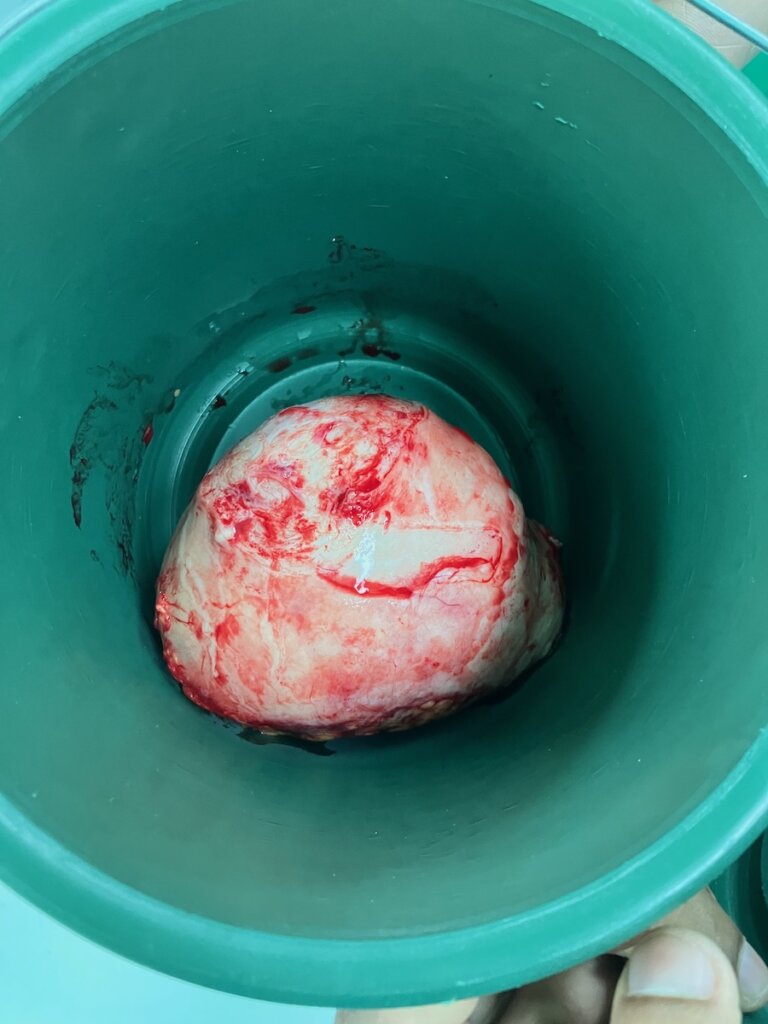
    Mass dissected from a uterus

    I finished my last shift of medical training in Sri Lanka with an elective caesarean birth and joined the midwives for the newborn examination. Both mother and newborn are well – a beautiful end to my surgery observations.
  • Preparing for the OET: fears, mistakes, and passing

    I spent the last couple of months preparing for my Occupational English Test (OET), which is required for overseas nursing registration. Scoring at least a B is a prerequisite before applying for registration and the first of many hurdles on my journey to becoming an internationally certified nurse. The test has four parts -speaking, reading, listening, and writing- and I focused my study around those skills.

    I had no doubt about my speaking ability. Still, some parts even my boyfriend (a native English speaker) had difficulty with, which made me more anxious. To avoid being surprised by the exam format, I researched a learning platform that helped me practise the different question types so I could focus on nursing English rather than getting thrown off by the layout.

    Test day: 23 August 2025, Colombo, Sri Lanka

    I travelled to the capital on Friday and intended to stay over the weekend. I had researched some activities that I was considering doing as a treat after the exam no matter how good or bad I would score. But my fears the next day came true: I somehow ignored the format of the listening part and messed up the first bit by not reading the questions properly. I ended up answering randomly, picking up only a few words I heard. The writing test went sideways too – I lost track of time and realised with five minutes left that I had written 240 words instead of the 180–200 required. I felt terrible and was certain I’d have to resit the exam.

    But no – I passed all parts of the OET and can not submit my registration documents to TruMerit!

  • Surfing Dewata Beach: from frustration to flow

    Surfing Dewata Beach: from frustration to flow

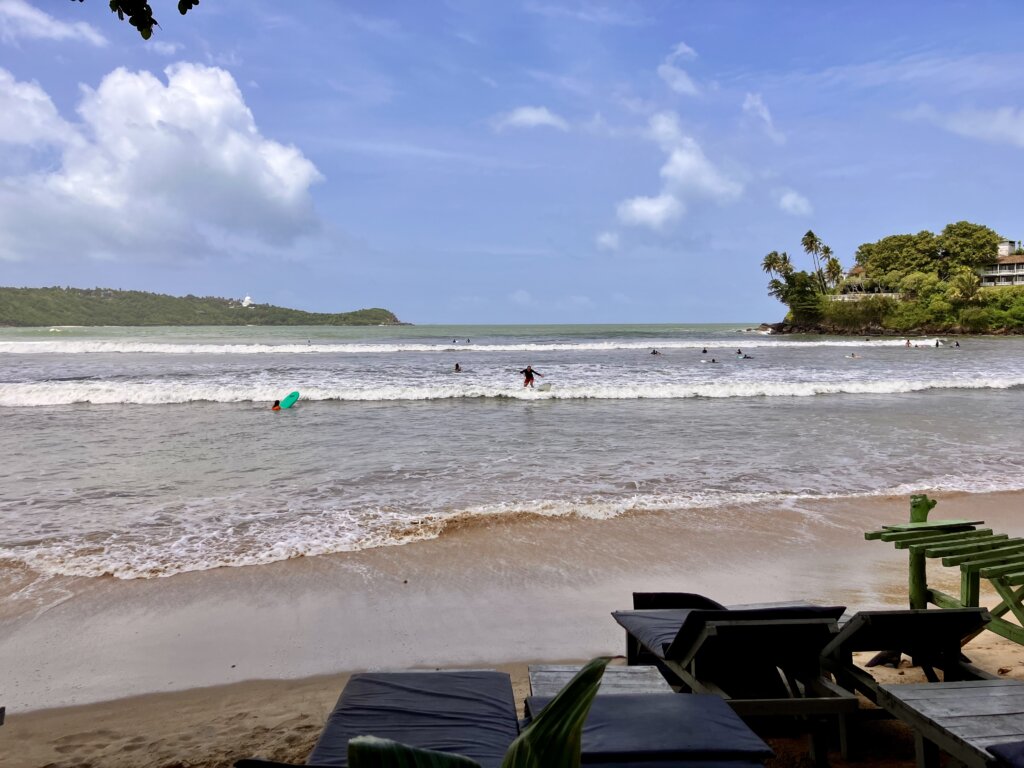
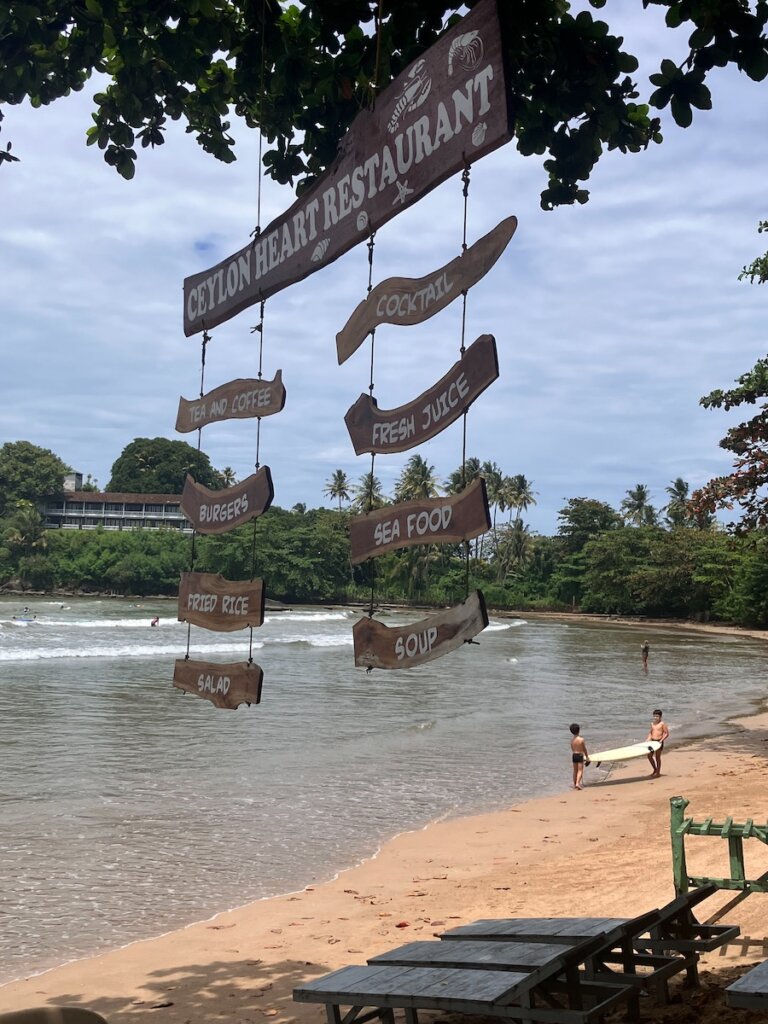
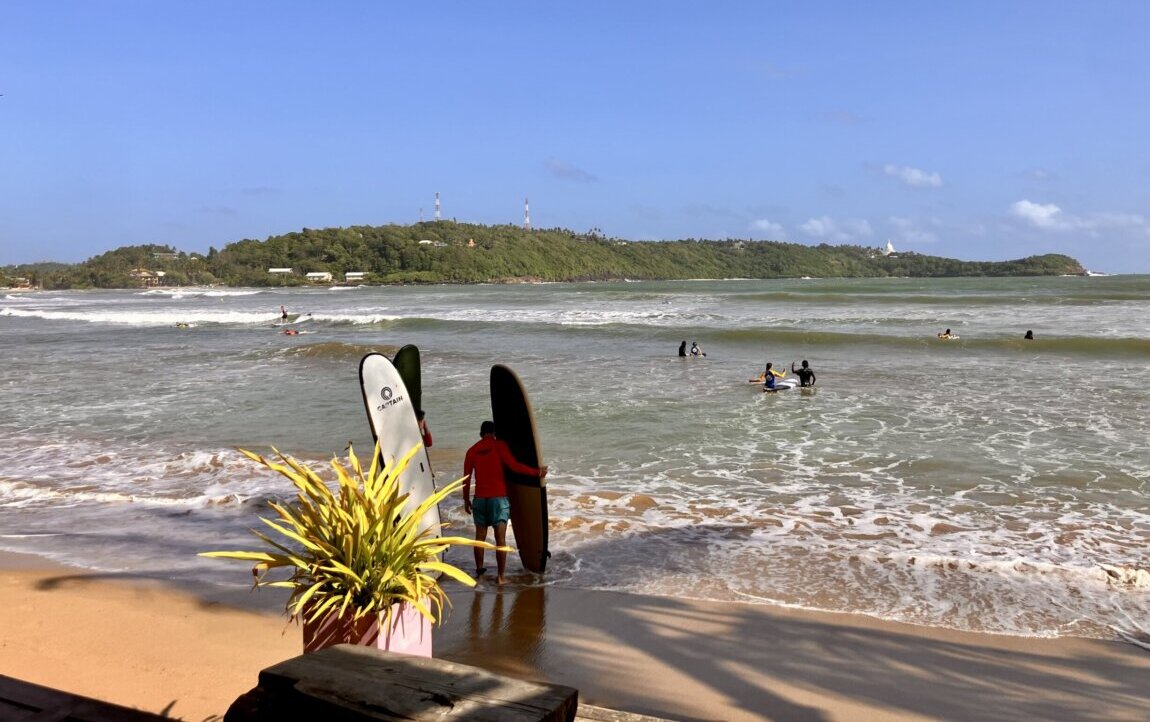
    It took me some time to get wet and really have fun surfing. I seem to wait a while before deciding to go surfing, as if every little detail must be right, without really being able to explain what is holding me back. This time, I was out with the boys who have a discounted agreement with Ceylon Nest Villa, and it is always great to have locals around who teach you about the current, sandbanks, and the waves. Every surf spot seems to change, and local knowledge always makes a difference.

    I surfed a hard board for the second time in my life. The first time, in Portugal, was more of a disaster and the locals advised jokingly not to kill anyone. Now, after a few years of surfing, I am much better balanced and I had a great time in the water.

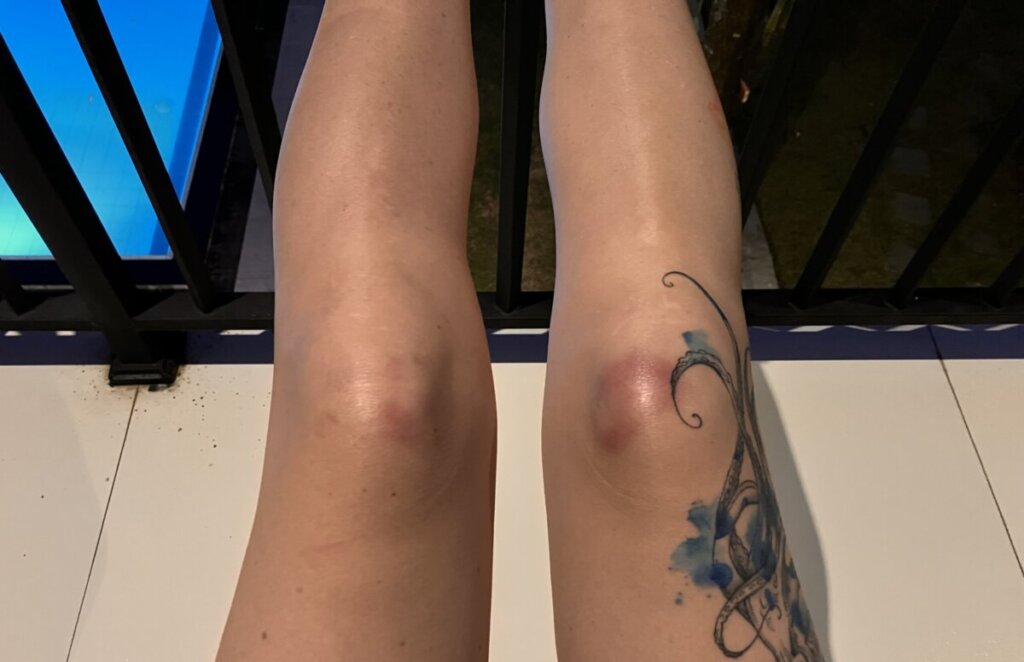
    I felt so energised and full of joy during the session that I quickly forgot about the fin injury on my leg. The pressure of the last few weeks started to fade, and I could feel my low mood lifting. Dewata Beach has several surf bars and restaurants along the short stretch of beach, and after I contacted a surf school in Unawatuna, they confirmed that my longboard session would take place at Dewata Beach.

    bruised knee caps from surf fins

    I met Loku and Shaggy, my surf instructor and companion for the next six sessions. We started again from scratch with dry practice: pop-up drills, balance checks, and posture, including upper-body position and arm movement during turns. It is fun, and sometimes annoying, to start over on a soft board. Loku is the surf bar manager and an early-retired surfer who watches the waves from the shore. He claps and cheers when you catch waves and whistles to his surf boys when changes need to be made, such as switching boards or adjusting positioning in the set. He always has good advice to share and helps you improve your surfing.

    I went out on the 8’6 hard board in the lineup with Shaggy beside me, making sure I “remembered” many things that actually felt more overwhelming than helpful. I knew I should not think too much, but that turned out to be really difficult because I wanted to make him proud of what I had learned from his teaching, and in the process I completely forgot to have fun. It was frustrating because I was not well positioned on the board, I stopped paddling too early, I held on to the rails during my pop-up, and I pushed up too late – or even worse, too slowly.

    I got washed over several times, and when I asked for a jet ski to pull me out for the next set, Shaggy told me to keep my chest one pinky-to-thumb length higher while paddling and to keep my arms close to the board.

    Later that day, I surfed with my roommate. We paddled out together, two novices watching for the next set to approach. I felt a boost of confidence and calm while observing the ocean. I took my time, felt the water and board underneath me, and stopped thinking that I needed to perform. I caught my first waves nicely and implemented everything Shaggy had taught me during the past surf sessions – of course, no one saw. It was a-mazing! Happiness flowing through my body as I looked out over the ocean and paddled slowly back to the lineup.

  • Observing the ER in Galle

    Observing the ER in Galle

    Trauma, Neurosurgery, and Resource-Limited Care

    Along with the regular morning and afternoon shifts at the National Hospital Galle, a limited evening places were available in the emergency department from 8 to 11 p.m. These spots were usually taken quickly, partly because they felt like a special treat and were not offered every day. Just like the ER I know, everything came in – cuts on the foot, injured children, aspiration, wound infections, breast biopsy, and the occasional drunk driver who had fallen off a bike or off a roof and landed on his head.

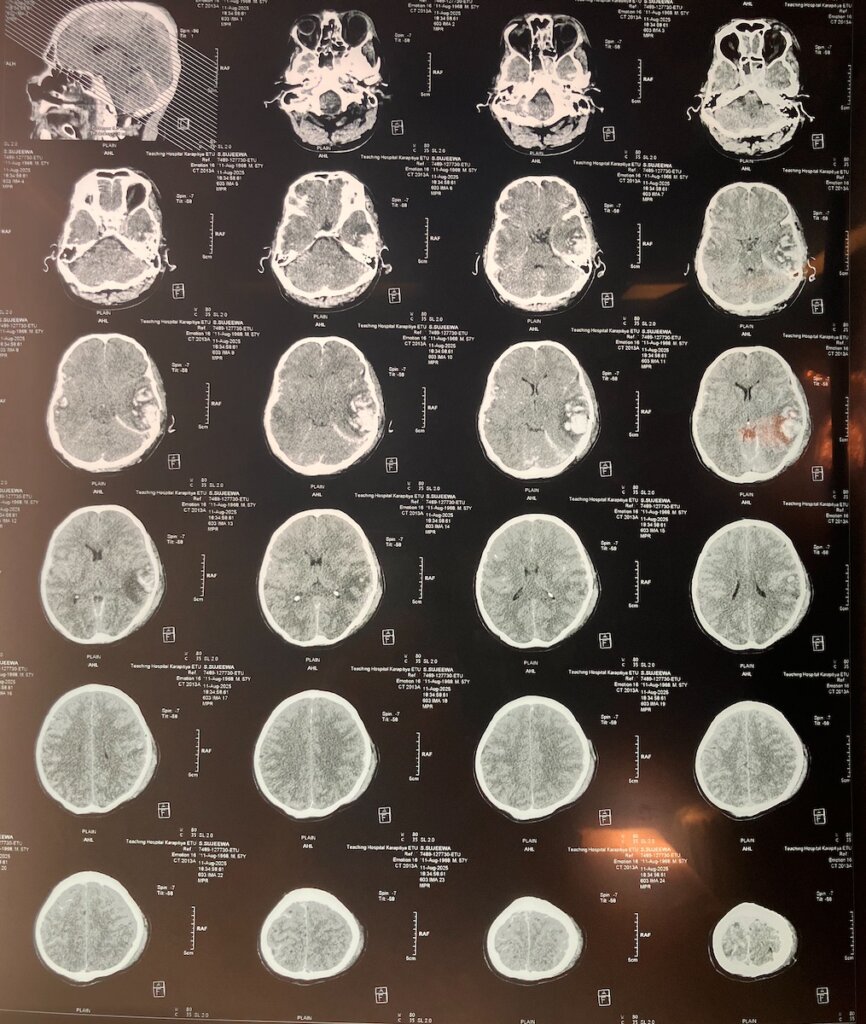
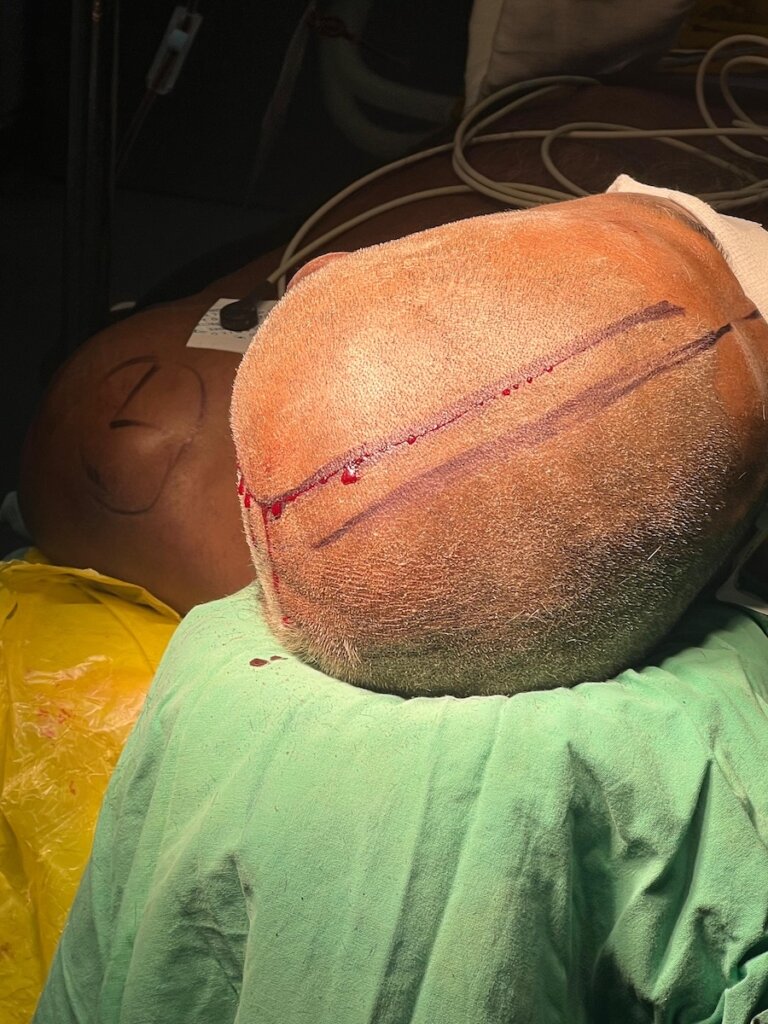
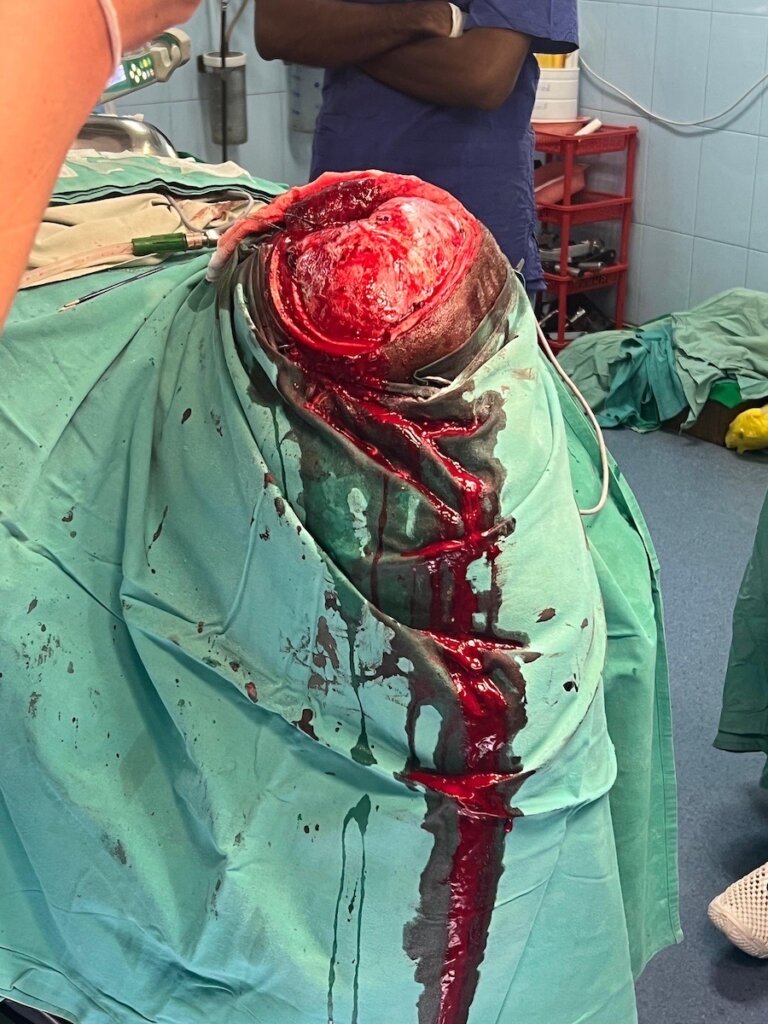
    In one particular case, a client had fallen twice without visiting the local hospital after the first incident. He was then brought to National Hospital in Galle, where my roommates and I covered the ER shift. The neurosurgeon on call always used the same room at the far end, and there was no rush from other nursing students, which meant more time and space to observe, ask questions, and even be asked questions. The surgeon was very patient, explained the hemicraniectomy, and did not care what year of medical studies we were in. After this learning experience, we came as often as possible, and it turned out this was not our last hemicraniectomy to observe.

    The hygiene routine in the ER is similar to the surgical ward, except that the sterile field, with all sterile cloth compresses and instruments, was placed on a table in the room and students were not allowed to approach. One nurse guarded the table and made sure the field stayed “sterile”.

    Regardless of the severity of the injury or the treatment required, analgesia was given only to the extent that the client could afford it. This meant that the young man with the wound infection on his back could pay for several injections of anaesthetic, while the older woman undergoing a breast biopsy received only one injection of lidocaine because she could not afford any further treatment. Unfortunately, the attending doctor was not very careful with the biopsy needle and had to repeat the procedure four times. That was very sobering to watch and we felt so helpless.

    Sri Lankans are certainly trained to suffer in a more profitable, hence manageable way!

  • Jungle hike in Sinharaja

    Jungle hike in Sinharaja

    A refreshing break from OET preparation

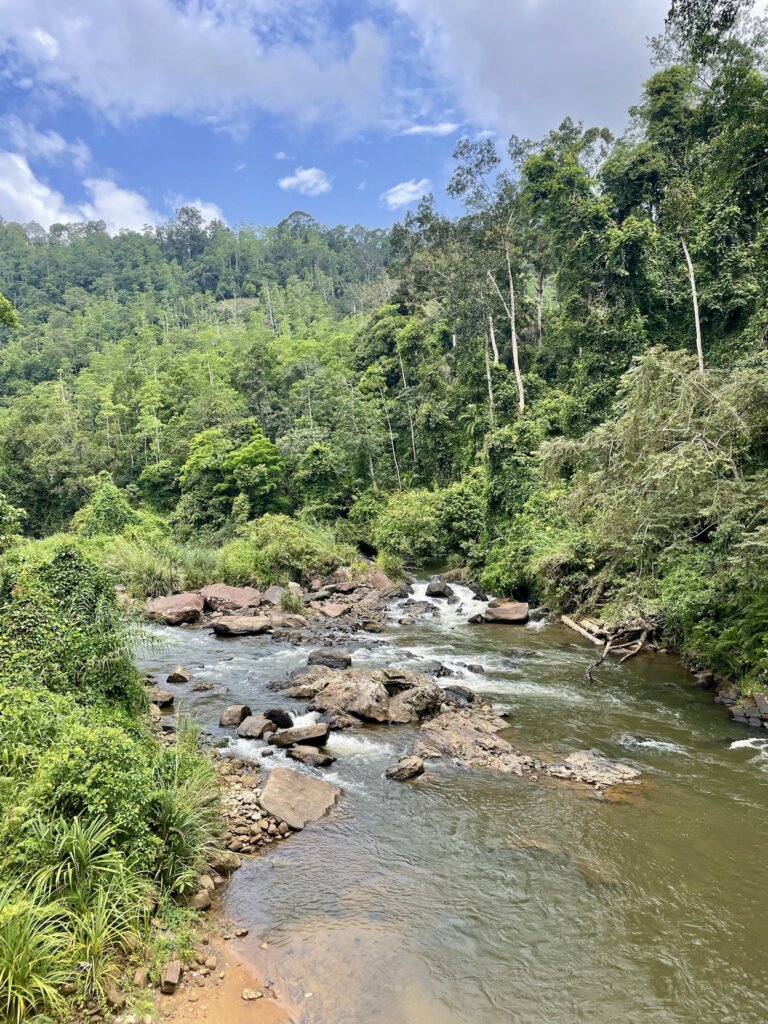
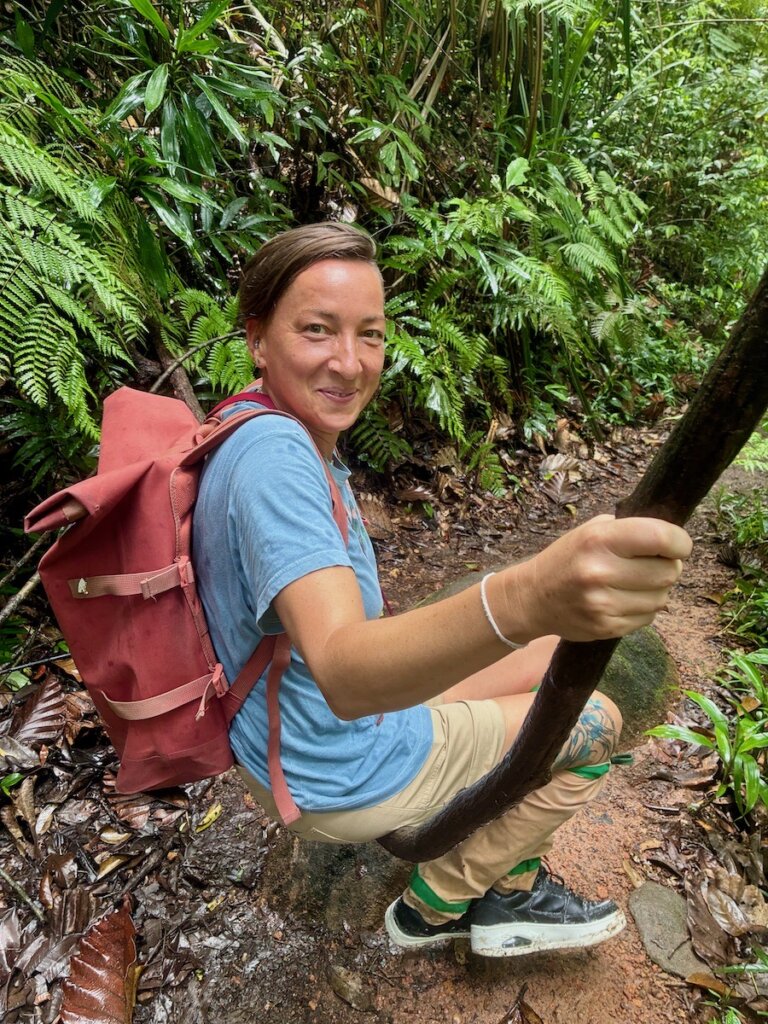
    I went on a jungle hike with two roommates. Ceylon Nest Villa offers different types of excursions, and this day trip seemed like a good distraction from my OET preparations. We left early in the morning for a 73 km drive inland, which took us around three hours. Even though there is no real speed limit in Sri Lanka, car rides seem to take forever.

    (I have to admit that the long journeys of travel hinder me in exploring the area. My focus during this visit is to prep for the OET and thus I keep my time for hospital, surfing and studying.)

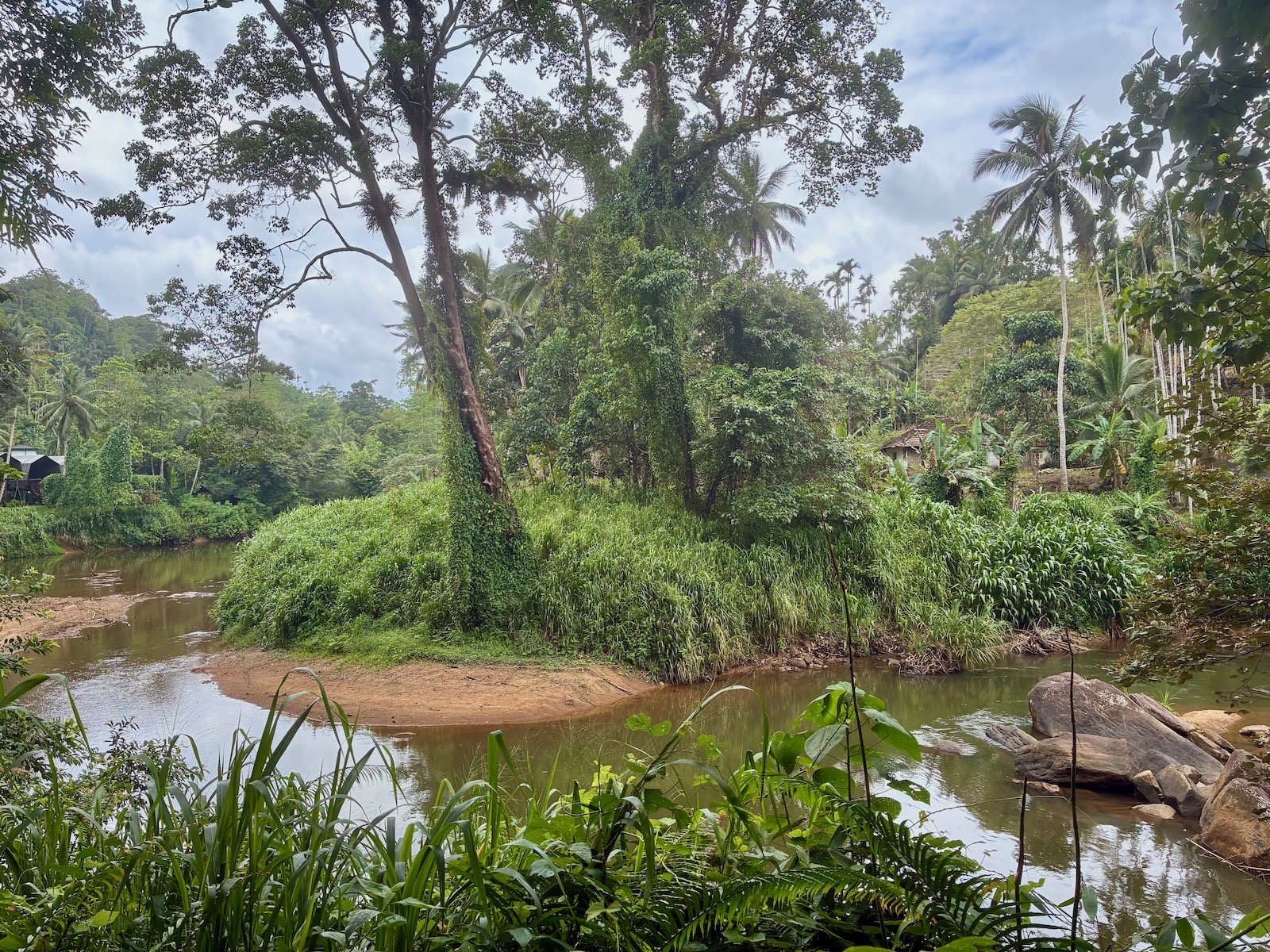
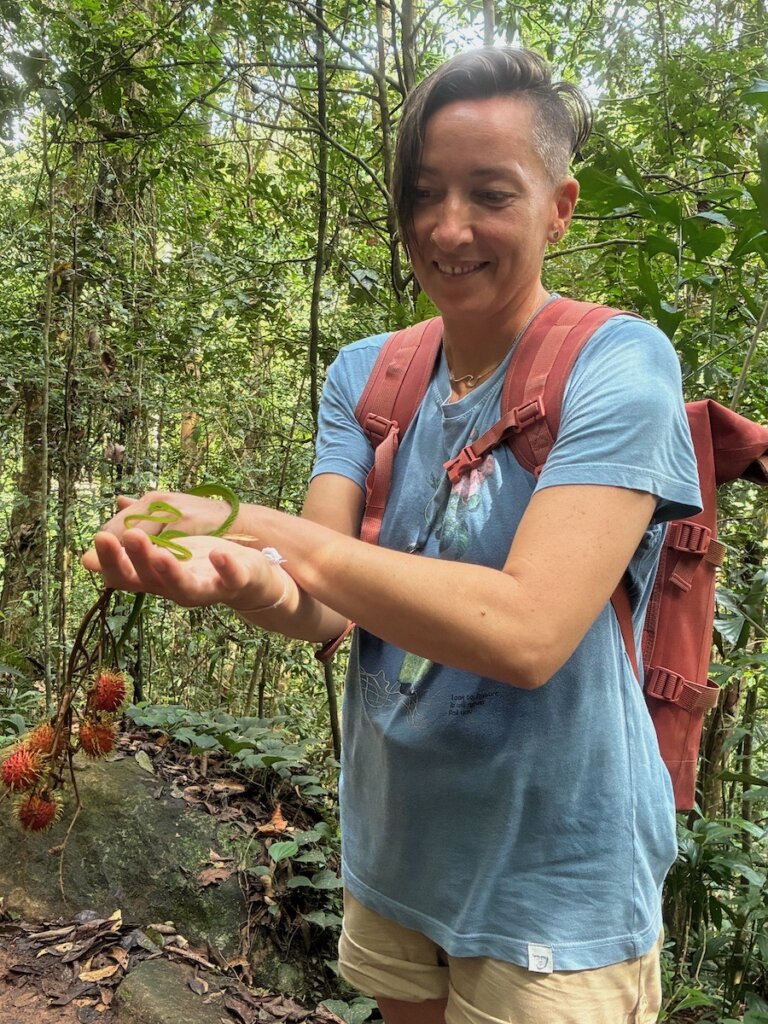
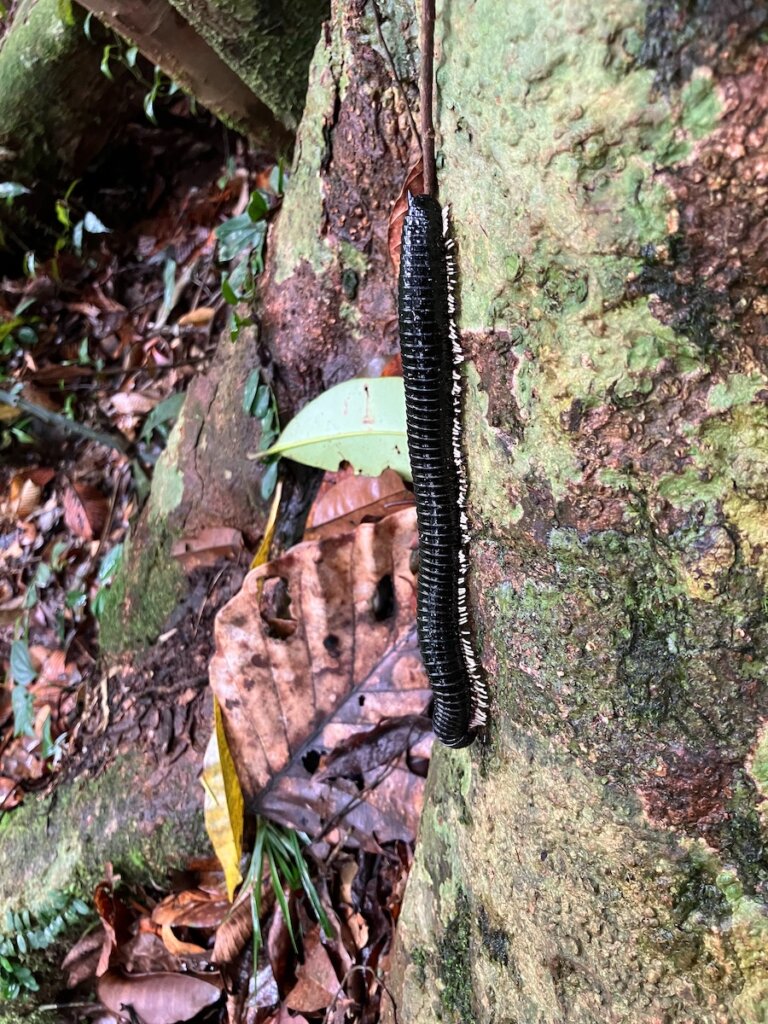
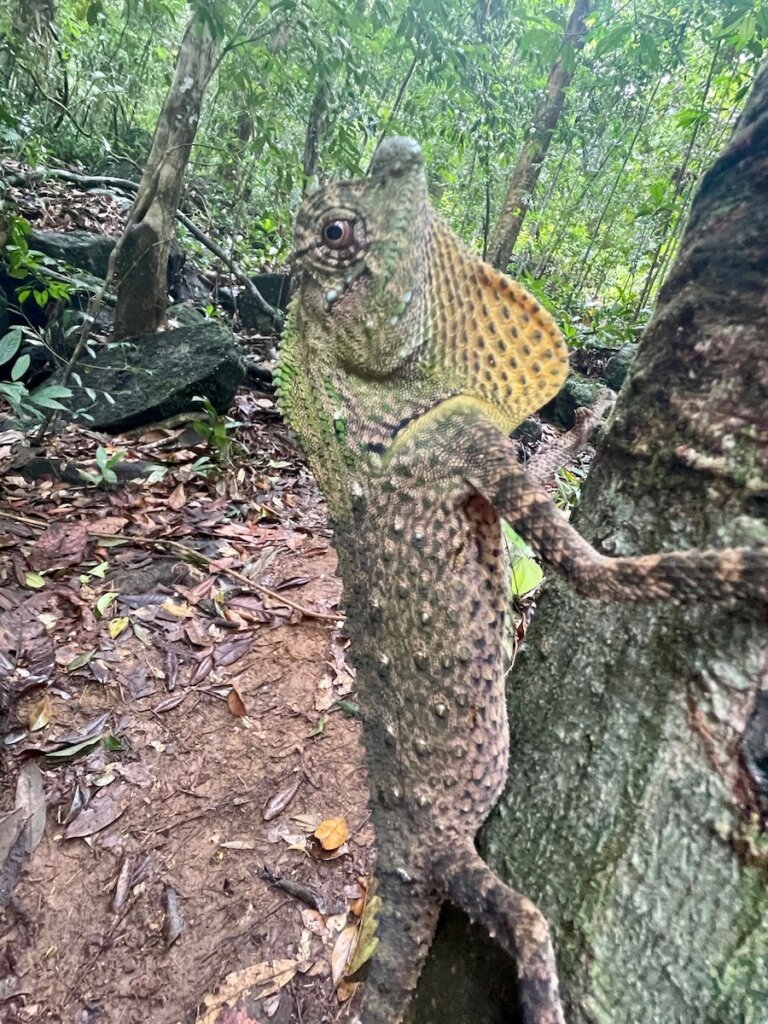
    In the lush green jungle of Sinharaja, we met our tour guide and dressed appropriately for the hike, with extra leg coverage and salt to protect us from leeches. Our guide was very much in tune with nature and spotted baby snakes, lanternflies, giant millipedes, lizards, and birds along the way. It was a peaceful walk, and we all enjoyed the fresh air and the break from the smell of trash burning that did not seem to stop in Galle.

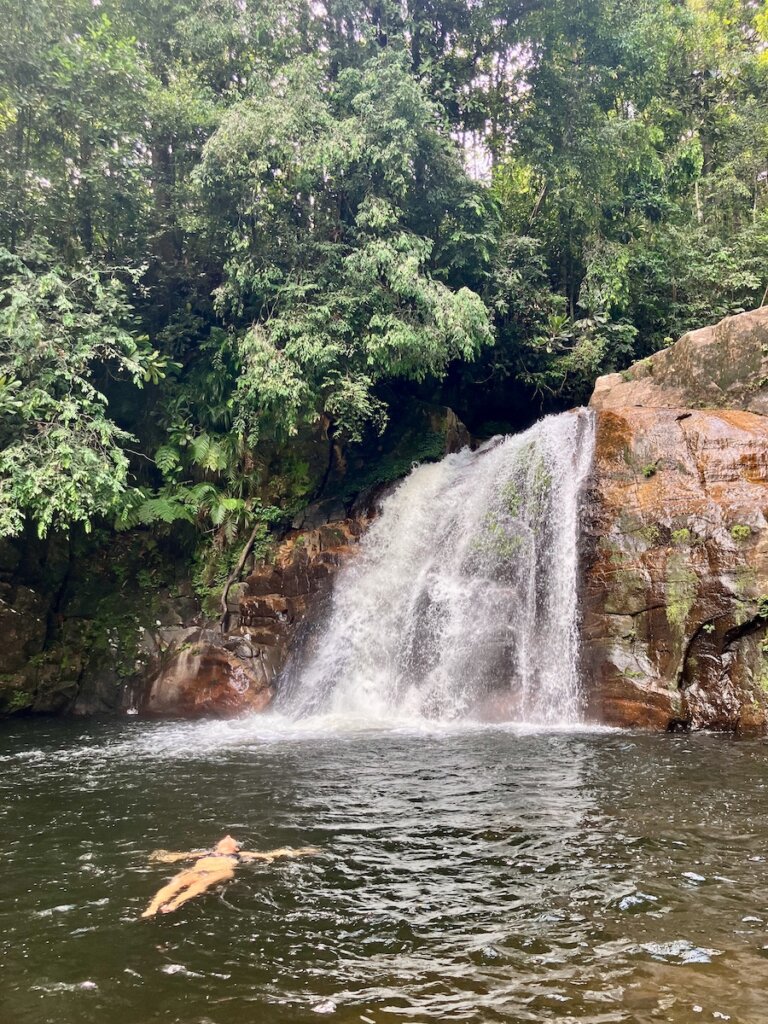
    At the end of the hike, we were rewarded with fresh spring water and a refreshing swim in a small lake. It was the perfect way to cool down and end the trip.

  • During my first week at Karapitiya National Hospital in Galle

    During my first week at Karapitiya National Hospital in Galle

    Oncology, surgery, and lessons in resource‑limited care

    Karapitiya National Hospital in Galle is a governmental hospital and one of the three best in Sri Lanka. People from all over the country travel to Colombo, Kandy, or Galle when they need medical attention. The local travel4med team talked about studying and working in Sri Lanka during our newcomers meeting. Visiting university is financed by the government for Sri Lankans who want to study full‑time (that is, not working to sustain the family). Studies are held in English. Not everybody decides to pursue an academic career, but those who do write and read very well; they just lack practice speaking English.

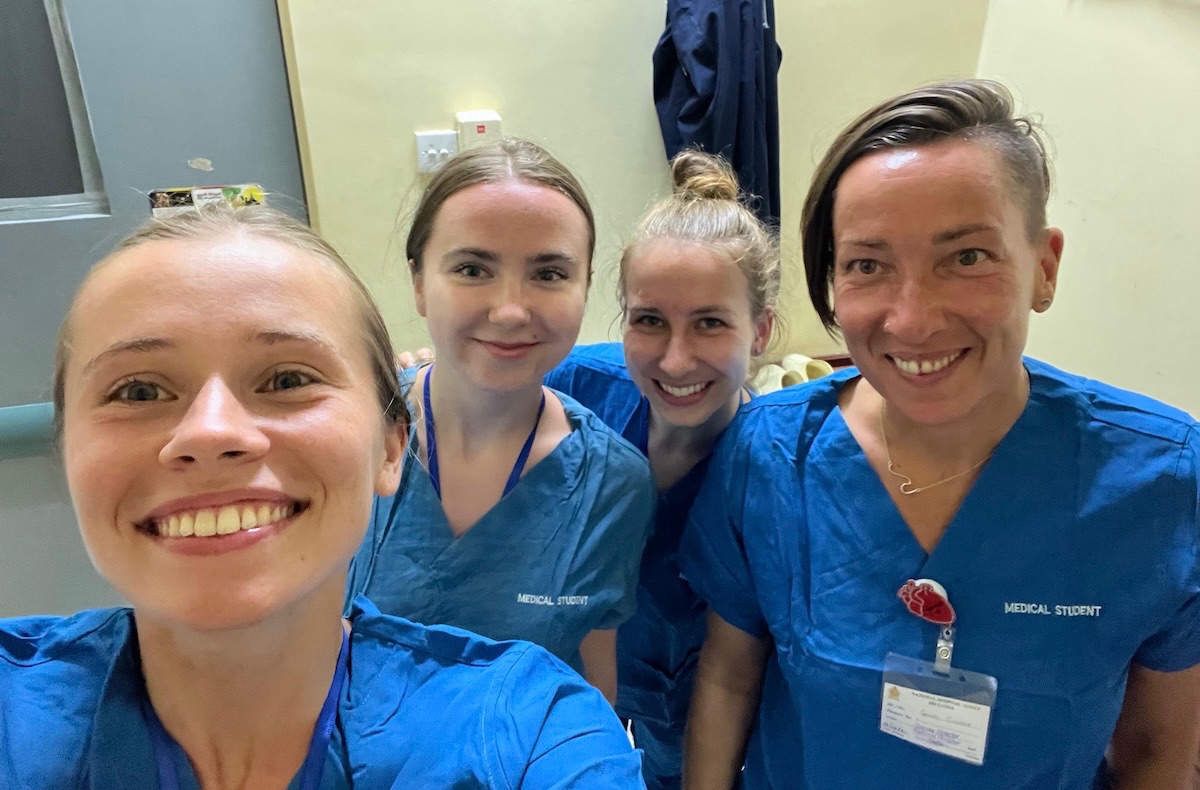
    There are obvious differences in treatment because resources are minimal, and of course some discrepancies are to be expected. We students were asked not to be judgmental but to stay open‑minded. As I am the only nurse with a finished diploma among the medical students, my title throughout the internship is “nurse officer”.

    During my first week I was assigned to the oncology department and observed three thyroidectomies, two inguinal hernia repairs, and a right breast mastectomy. The thyroid is often surgically removed once a mass has been detected -not knowing whether it is cancerous or not- because access to imaging diagnostics can be difficult or is nearly unavailable, and the patient is put on lifelong medication. I could have observed another mastectomy but my one observation lasts a lifetime and there is no reconstruction option offered. Unfortunately, the woman will have a very ugly scar along her right ribcage.

    I introduced myself to the team: the doctor, the medical consultant (medical intern), three to four nurses, and the person in charge of the lights, stretcher, and the ventilator/sedation device. Everyone was very friendly and curious. Questions were welcome, and it was expected that we come forward and be proactive during procedures. It can get rather cozy -standing anywhere possible and firmly together to be able to observe the procedure over one another’s shoulder.

    As the only nurse officer among the medical students from several organizations (travel4med, wayers), the registered nurses in the operating theatre knew about me and were happy to compare procedures and routine tasks for nurses. The obvious operating wing on the floor consisted of two prep rooms (one for the patient and one for medical staff and sterile instruments), the theatre or operating room, and a wake‑up room. There was no personal or material airlock.

    Patient identity checks, medical history and chart review, and peripheral IV placement were done in the prep room. In the operating room, induction was with sevoflurane (short‑lived for induction), followed by isoflurane for maintenance, and the patient was intubated. Surgical sites were thoroughly prepped with povidone-iodine and the patient draped with sterile cloths. The only defined sterile field -with all sterilized instruments- was placed at the foot of the “operating table” (basically the stretcher the patient came in through the prep room). One nurse assisted the doctor and medical consultant directly. The other nurses observed the procedure and provided additional sterile equipment upon request. Toward the end of the procedure, anaesthesia was switched back to sevoflurane and stopped once the suture was finished. All used equipment was collected and counted for on a big cloth on the ground. The patient was moved to the wake‑up room and cared for by a nurse until anaesthesia was weaned off and the patient was awake and safe to be extubated. There was no ICU or PACU. After basic pain medication the patient went to the regular ward for observation.