Trauma, Neurosurgery, and Resource-Limited Care
Along with the regular morning and afternoon shifts at the National Hospital Galle, a limited evening places were available in the emergency department from 8 to 11 p.m. These spots were usually taken quickly, partly because they felt like a special treat and were not offered every day. Just like the ER I know, everything came in – cuts on the foot, injured children, aspiration, wound infections, breast biopsy, and the occasional drunk driver who had fallen off a bike or off a roof and landed on his head.
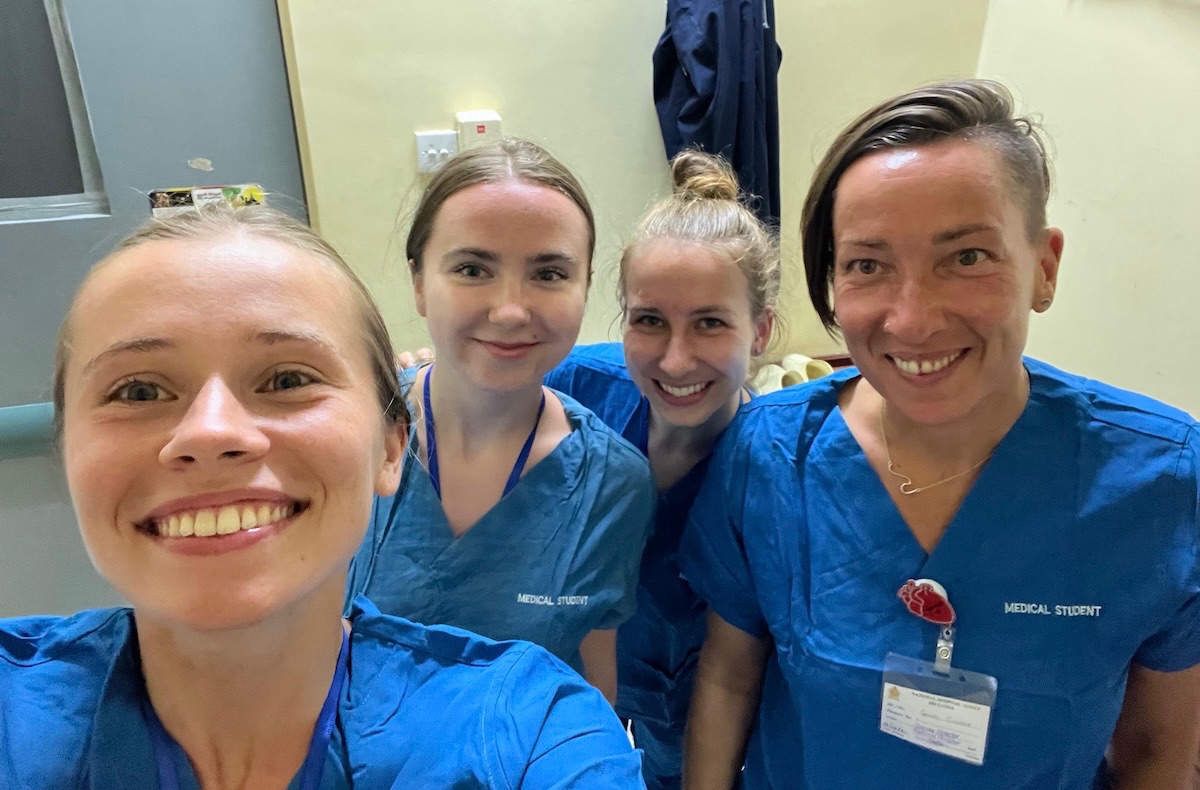
In one particular case, a client had fallen twice without visiting the local hospital after the first incident. He was then brought to National Hospital in Galle, where my roommates and I covered the ER shift. The neurosurgeon on call always used the same room at the far end, and there was no rush from other nursing students, which meant more time and space to observe, ask questions, and even be asked questions. The surgeon was very patient, explained the hemicraniectomy, and did not care what year of medical studies we were in. After this learning experience, we came as often as possible, and it turned out this was not our last hemicraniectomy to observe.
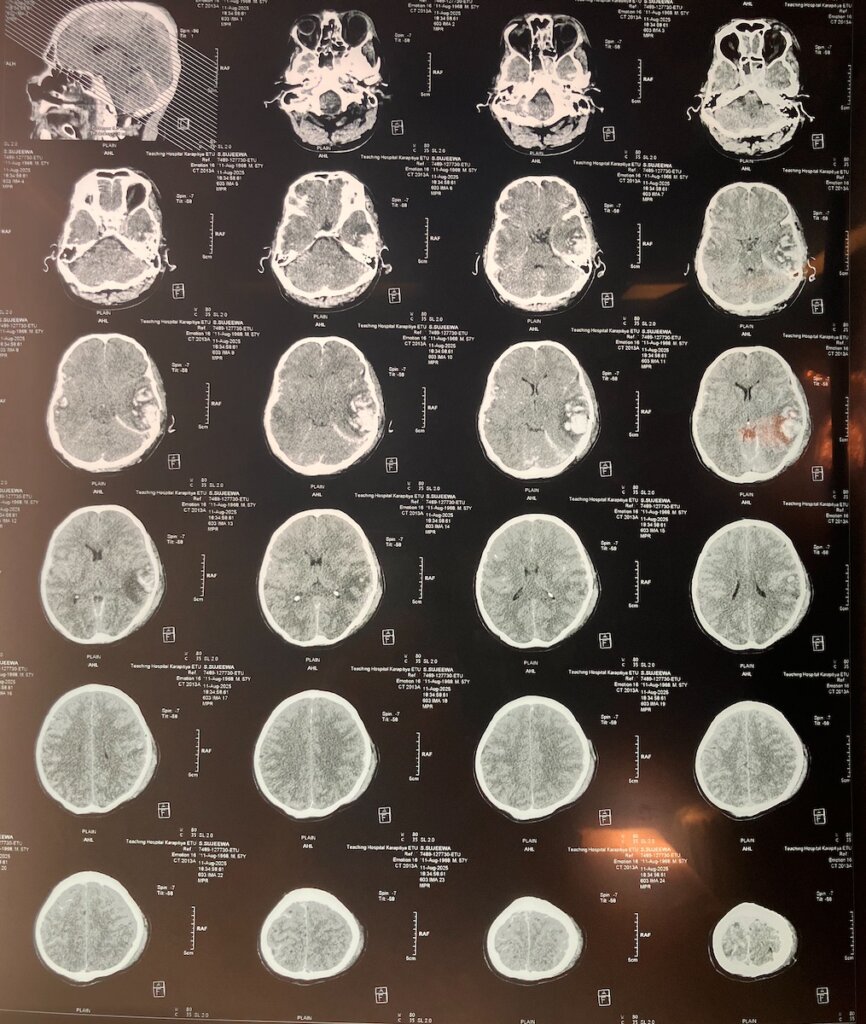
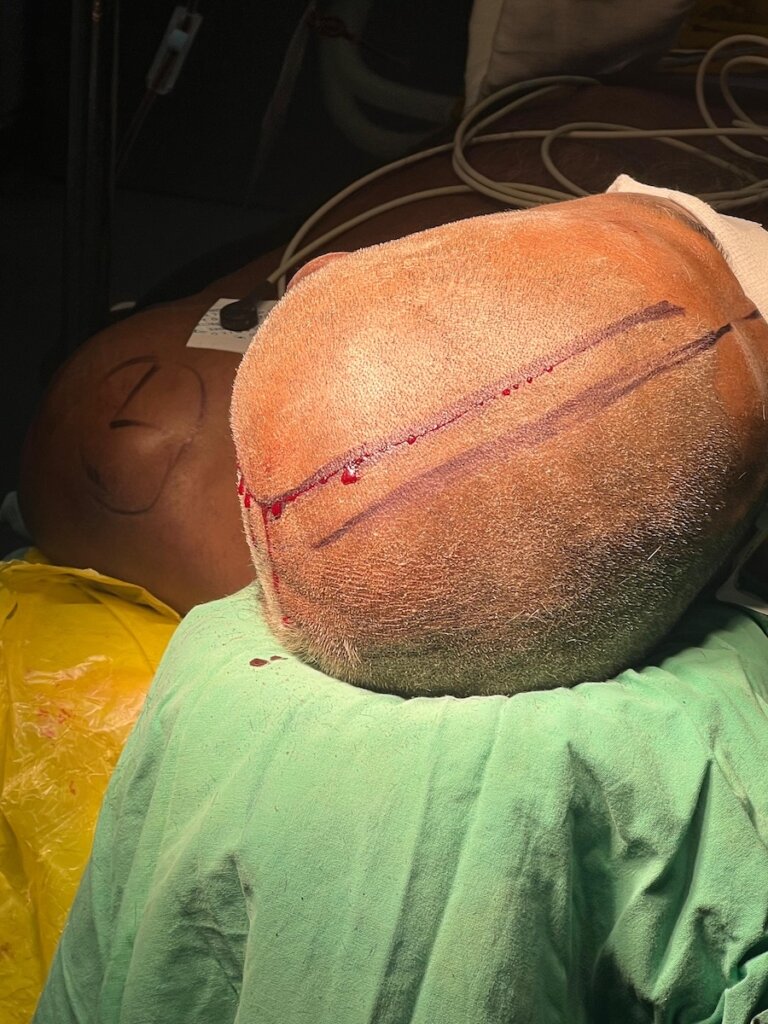
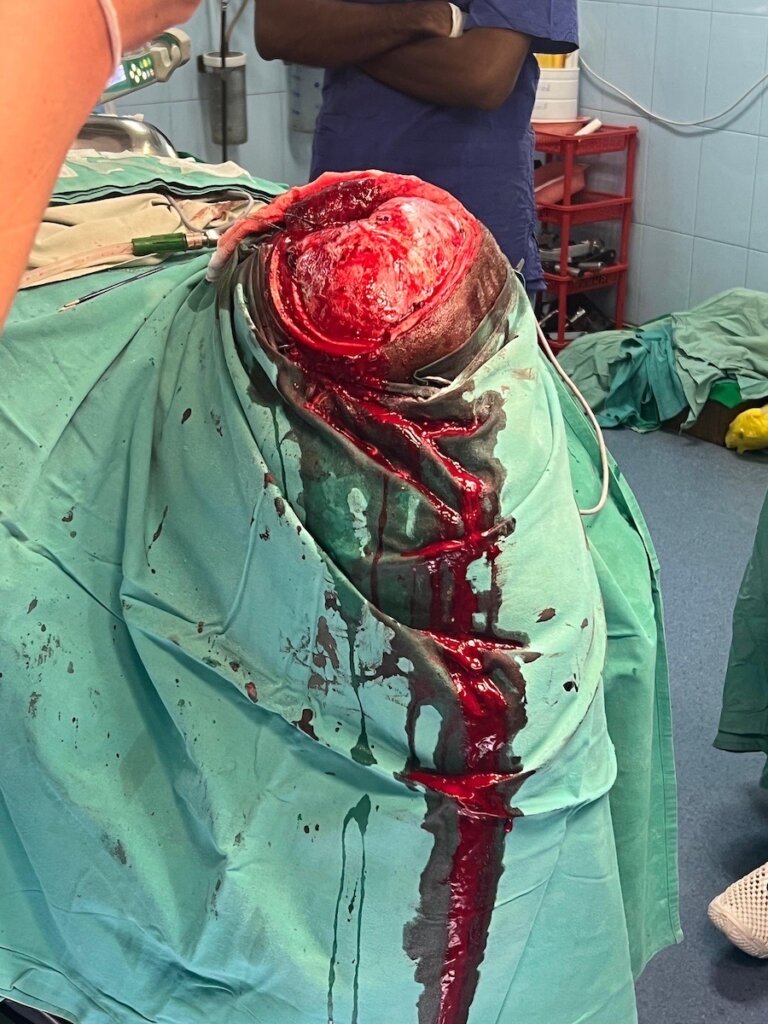
The hygiene routine in the ER is similar to the surgical ward, except that the sterile field, with all sterile cloth compresses and instruments, was placed on a table in the room and students were not allowed to approach. One nurse guarded the table and made sure the field stayed “sterile”.
Regardless of the severity of the injury or the treatment required, analgesia was given only to the extent that the client could afford it. This meant that the young man with the wound infection on his back could pay for several injections of anaesthetic, while the older woman undergoing a breast biopsy received only one injection of lidocaine because she could not afford any further treatment. Unfortunately, the attending doctor was not very careful with the biopsy needle and had to repeat the procedure four times. That was very sobering to watch and we felt so helpless.
Sri Lankans are certainly trained to suffer in a more profitable, hence manageable way!