Tag: Karapitiya National Hospital

  • Observing the ER in Galle

    Observing the ER in Galle

    Trauma, Neurosurgery, and Resource-Limited Care

    Along with the regular morning and afternoon shifts at the National Hospital Galle, a limited evening places were available in the emergency department from 8 to 11 p.m. These spots were usually taken quickly, partly because they felt like a special treat and were not offered every day. Just like the ER I know, everything came in – cuts on the foot, injured children, aspiration, wound infections, breast biopsy, and the occasional drunk driver who had fallen off a bike or off a roof and landed on his head.

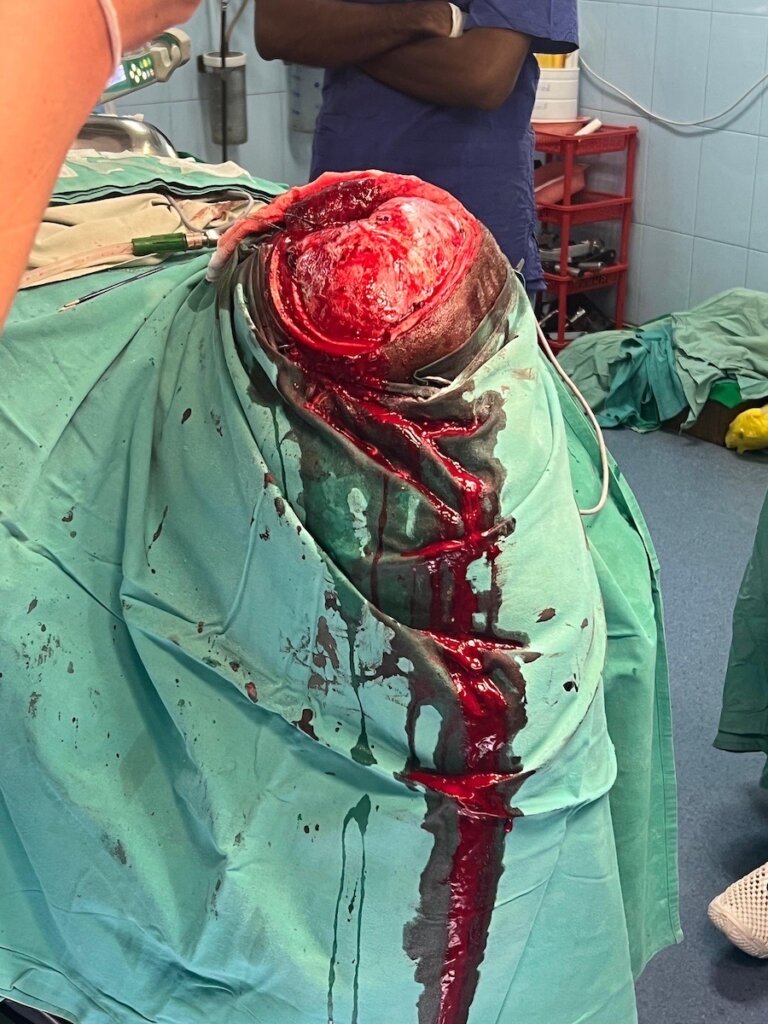
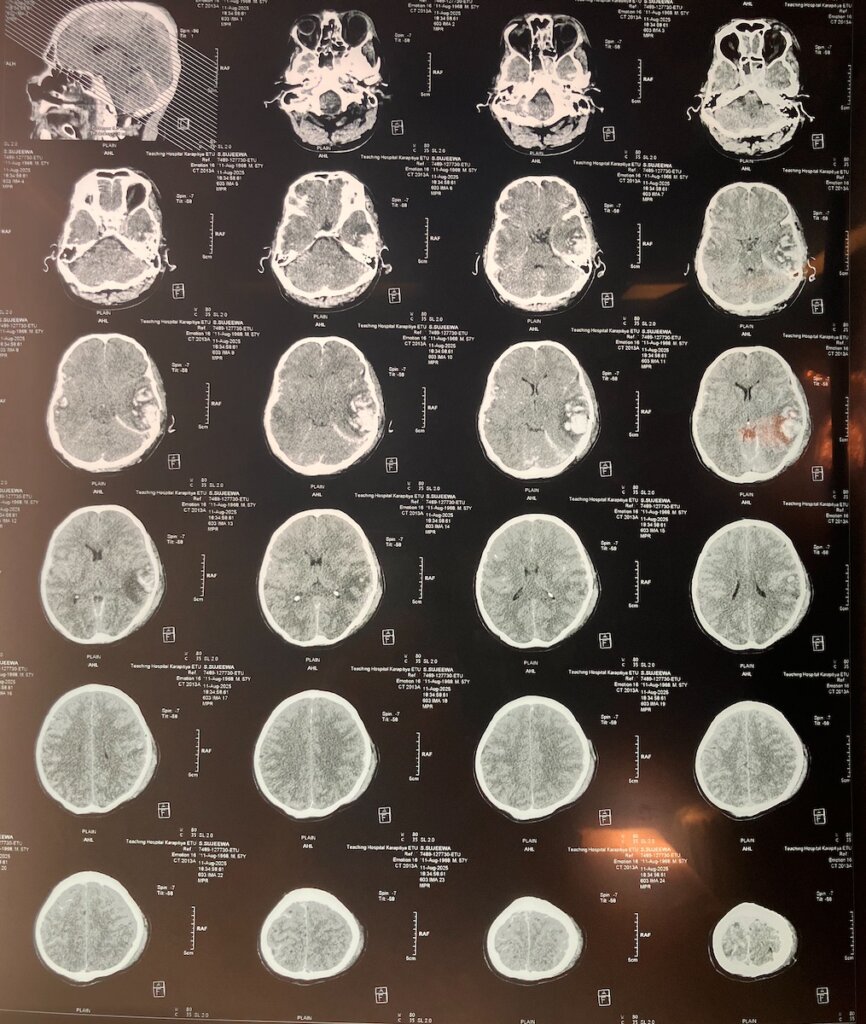
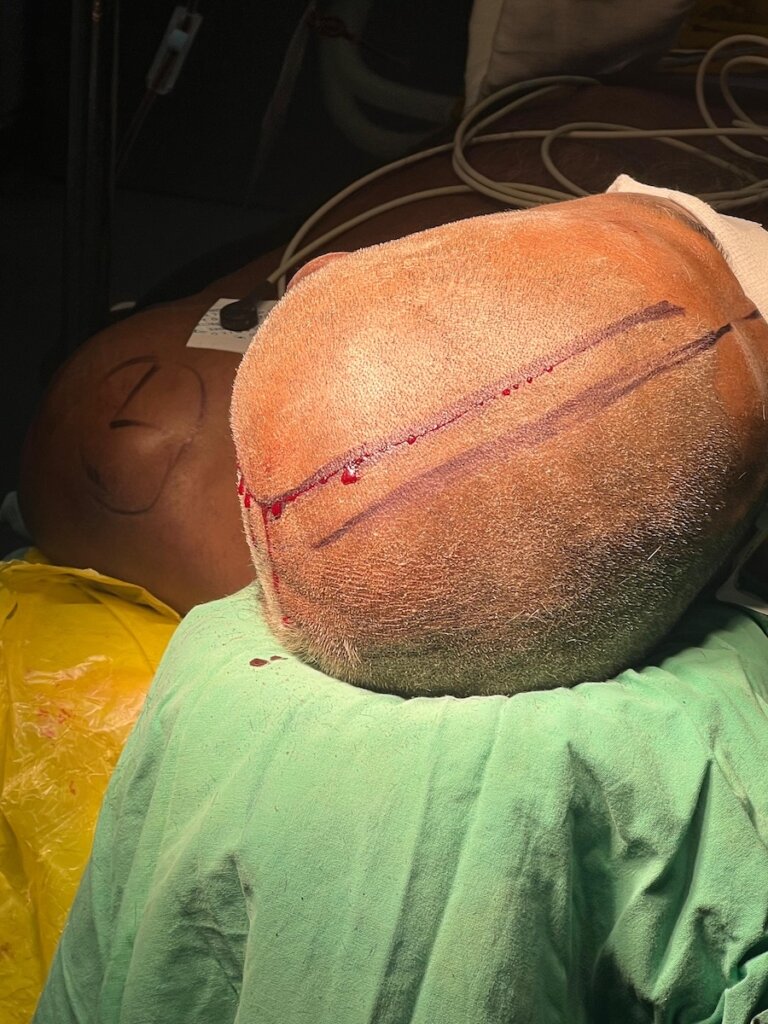
    In one particular case, a client had fallen twice without visiting the local hospital after the first incident. He was then brought to National Hospital in Galle, where my roommates and I covered the ER shift. The neurosurgeon on call always used the same room at the far end, and there was no rush from other nursing students, which meant more time and space to observe, ask questions, and even be asked questions. The surgeon was very patient, explained the hemicraniectomy, and did not care what year of medical studies we were in. After this learning experience, we came as often as possible, and it turned out this was not our last hemicraniectomy to observe.
    The hygiene routine in the ER is similar to the surgical ward, except that the sterile field, with all sterile cloth compresses and instruments, was placed on a table in the room and students were not allowed to approach. One nurse guarded the table and made sure the field stayed “sterile”.

    Regardless of the severity of the injury or the treatment required, analgesia was given only to the extent that the client could afford it. This meant that the young man with the wound infection on his back could pay for several injections of anaesthetic, while the older woman undergoing a breast biopsy received only one injection of lidocaine because she could not afford any further treatment. Unfortunately, the attending doctor was not very careful with the biopsy needle and had to repeat the procedure four times. That was very sobering to watch and we felt so helpless.

    Sri Lankans are certainly trained to suffer in a more profitable, hence manageable way!
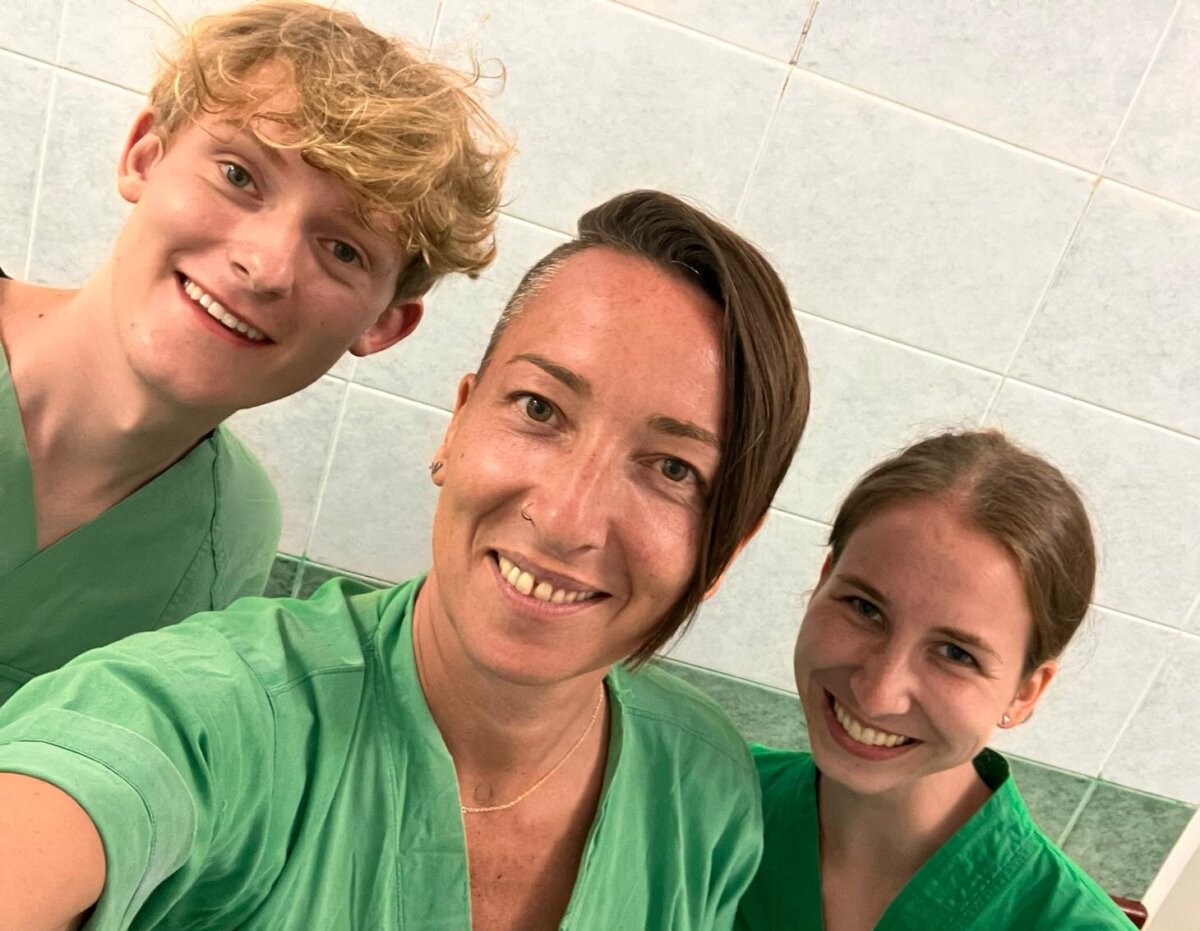
  • During my first week at Karapitiya National Hospital in Galle

    During my first week at Karapitiya National Hospital in Galle

    Oncology, surgery, and lessons in resource‑limited care

    Karapitiya National Hospital in Galle is a governmental hospital and one of the three best in Sri Lanka. People from all over the country travel to Colombo, Kandy, or Galle when they need medical attention. The local travel4med team talked about studying and working in Sri Lanka during our newcomers meeting. Visiting university is financed by the government for Sri Lankans who want to study full‑time (that is, not working to sustain the family). Studies are held in English. Not everybody decides to pursue an academic career, but those who do write and read very well; they just lack practice speaking English.

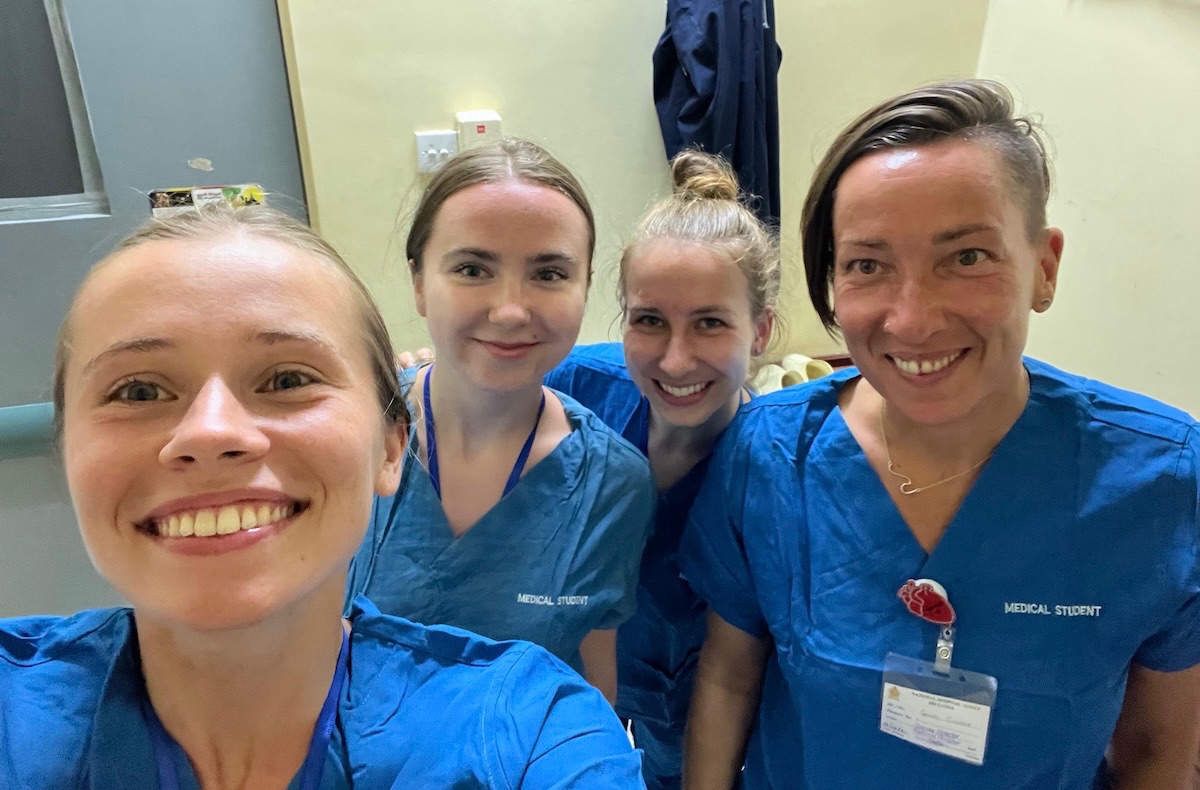
    There are obvious differences in treatment because resources are minimal, and of course some discrepancies are to be expected. We students were asked not to be judgmental but to stay open‑minded. As I am the only nurse with a finished diploma among the medical students, my title throughout the internship is “nurse officer”.

    During my first week I was assigned to the oncology department and observed three thyroidectomies, two inguinal hernia repairs, and a right breast mastectomy. The thyroid is often surgically removed once a mass has been detected -not knowing whether it is cancerous or not- because access to imaging diagnostics can be difficult or is nearly unavailable, and the patient is put on lifelong medication. I could have observed another mastectomy but my one observation lasts a lifetime and there is no reconstruction option offered. Unfortunately, the woman will have a very ugly scar along her right ribcage.

    I introduced myself to the team: the doctor, the medical consultant (medical intern), three to four nurses, and the person in charge of the lights, stretcher, and the ventilator/sedation device. Everyone was very friendly and curious. Questions were welcome, and it was expected that we come forward and be proactive during procedures. It can get rather cozy -standing anywhere possible and firmly together to be able to observe the procedure over one another’s shoulder.

    As the only nurse officer among the medical students from several organizations (travel4med, wayers), the registered nurses in the operating theatre knew about me and were happy to compare procedures and routine tasks for nurses. The obvious operating wing on the floor consisted of two prep rooms (one for the patient and one for medical staff and sterile instruments), the theatre or operating room, and a wake‑up room. There was no personal or material airlock.

    Patient identity checks, medical history and chart review, and peripheral IV placement were done in the prep room. In the operating room, induction was with sevoflurane (short‑lived for induction), followed by isoflurane for maintenance, and the patient was intubated. Surgical sites were thoroughly prepped with povidone-iodine and the patient draped with sterile cloths. The only defined sterile field -with all sterilized instruments- was placed at the foot of the “operating table” (basically the stretcher the patient came in through the prep room). One nurse assisted the doctor and medical consultant directly. The other nurses observed the procedure and provided additional sterile equipment upon request. Toward the end of the procedure, anaesthesia was switched back to sevoflurane and stopped once the suture was finished. All used equipment was collected and counted for on a big cloth on the ground. The patient was moved to the wake‑up room and cared for by a nurse until anaesthesia was weaned off and the patient was awake and safe to be extubated. There was no ICU or PACU. After basic pain medication the patient went to the regular ward for observation.